Design as a
systemic
act.
Architecture, urban planning, landscape, and product design.
Practice
Every region, neighborhood, building, and product is an actor within a larger system: an energy flow, a financial instrument, a piece of governance, a social contract.
Design is an act that ripples into the future, across supply chains, and into the lives of others.
We work with the flows that reach beyond the edges of the work itself. We weigh ecology, physics, economics, governance, and social reality together, and determine consequence before form is decided. A scheme that resolves four dimensions and fractures the fifth will still fail.
We design for resilience and regeneration. This has been the practice since 1999.
Selected work
All projects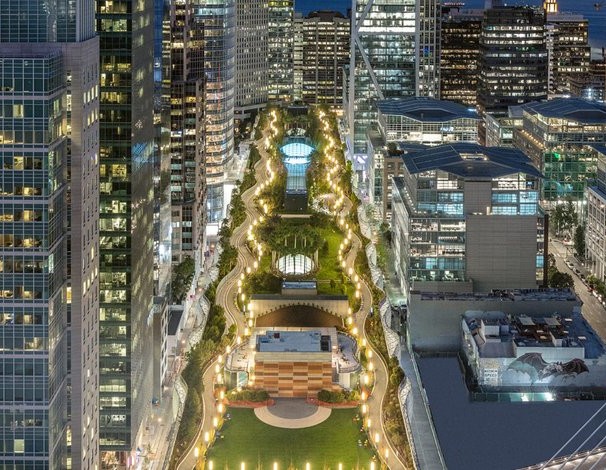 Architecture
Created the world's largest ecosystem rooftop, transforming urban biodiversity in downtown San Francisco.
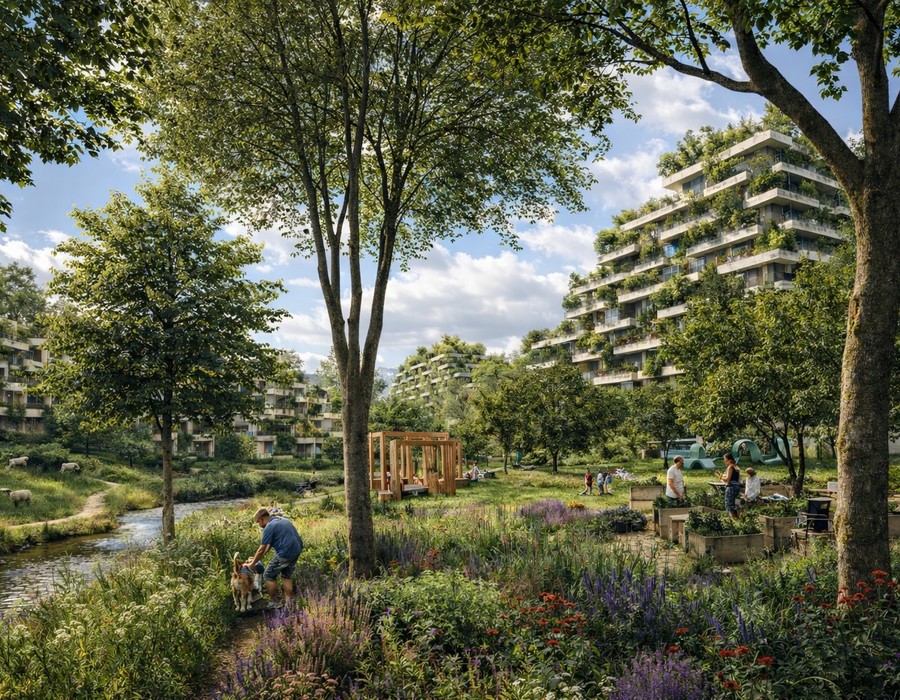 Urban Planning
Developed the world's first regenerative real estate framework achieving 140% net-positive carbon reduction.
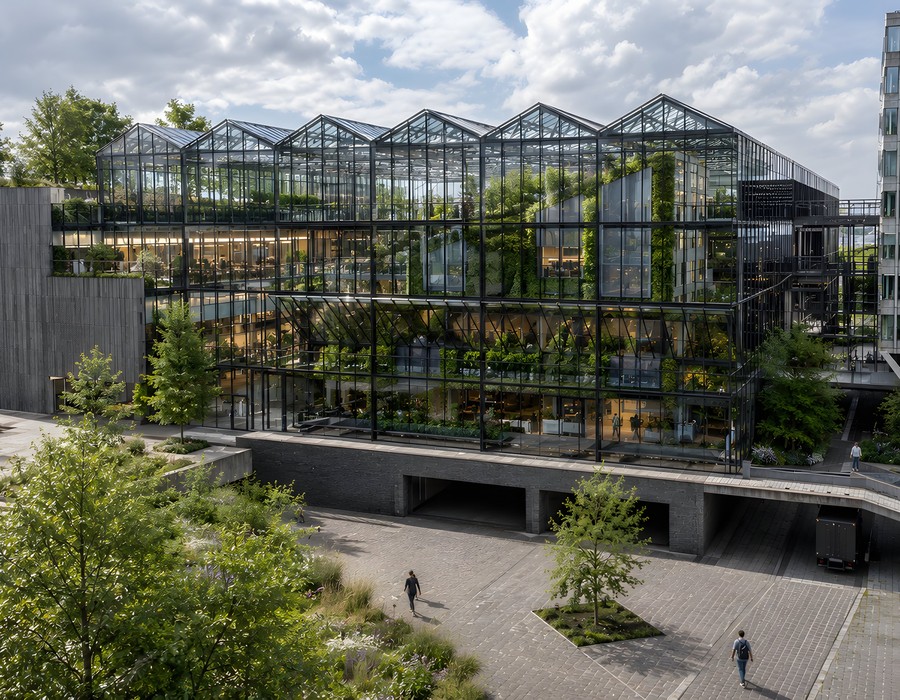 Architecture
Designed a catalytic multi-tenant office that functions as a self-sufficient, circular business ecosystem.
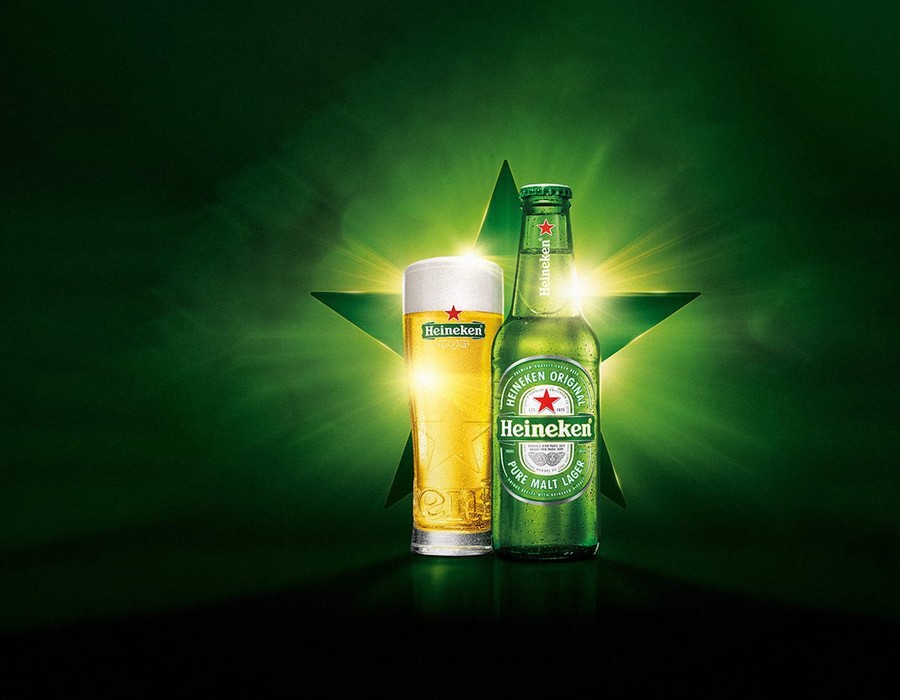 Product & Service Design
Launched Heineken's 100% Circular program with a complete roadmap to circularity by 2030.
 Architecture
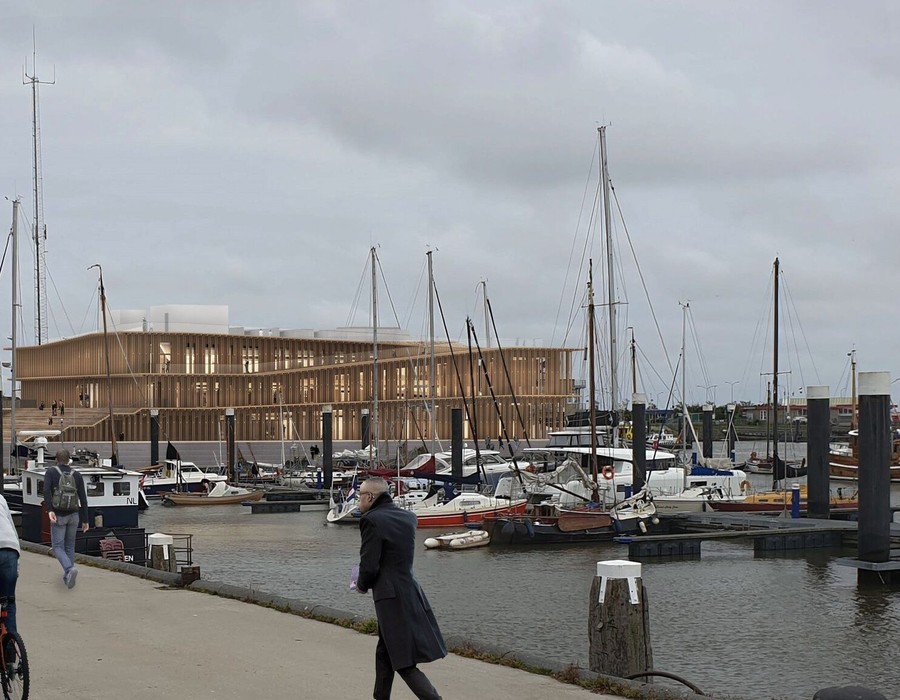
Built the case for a EUR 29 million UNESCO experience centre on the Wadden Sea, opened April 2025.
 Architecture
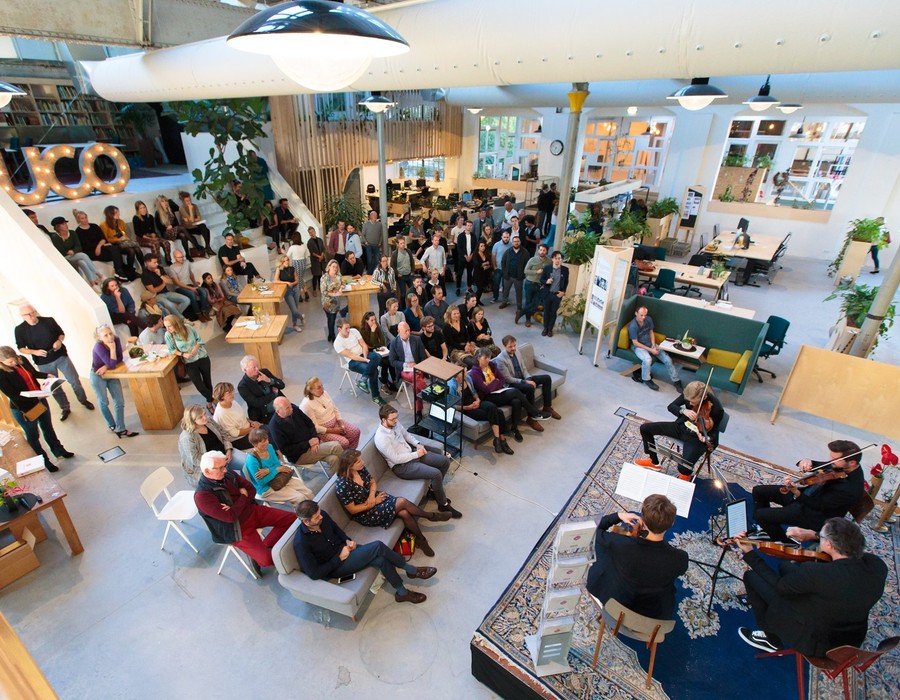
Delivered a pioneering circular building design housing 180+ sustainable entrepreneurs in a historic depot.
 Landscape
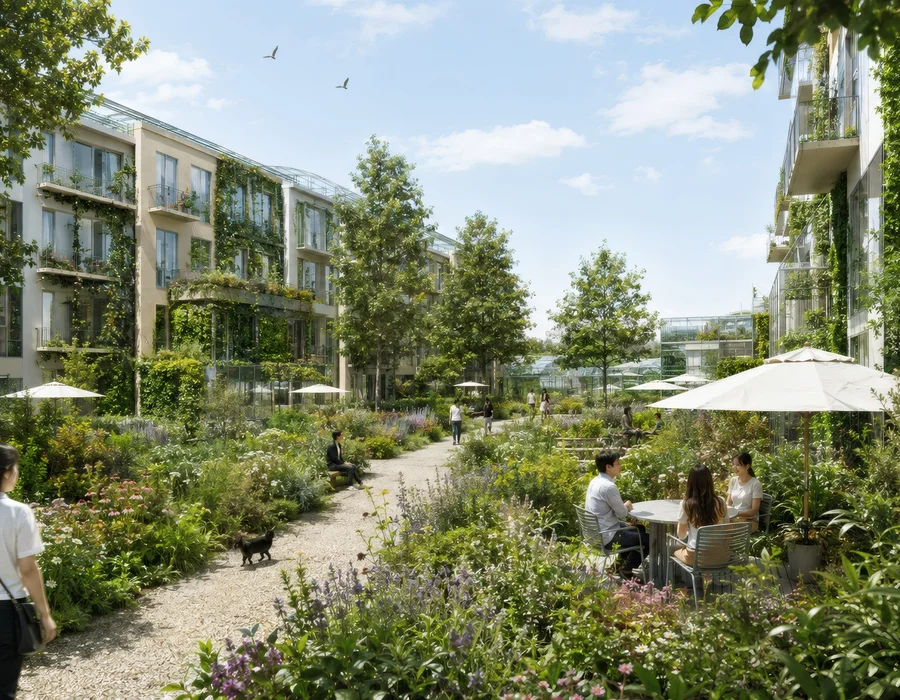
Designed the first comprehensive sustainable transition plan for large-scale social housing.
 Landscape
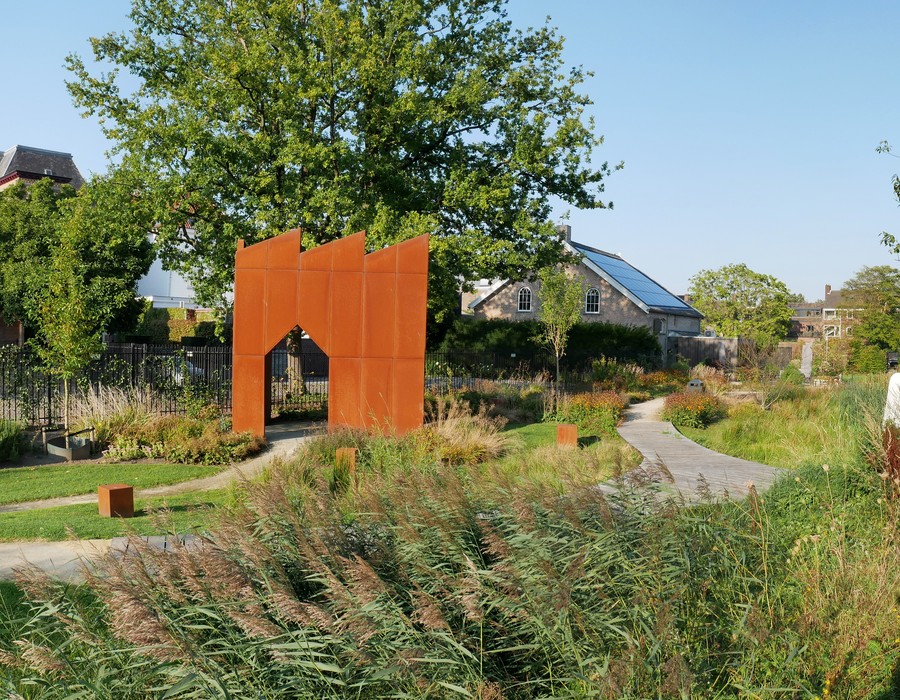
Inner-city parking lot redesigned as climate-adaptive biodiverse urban garden
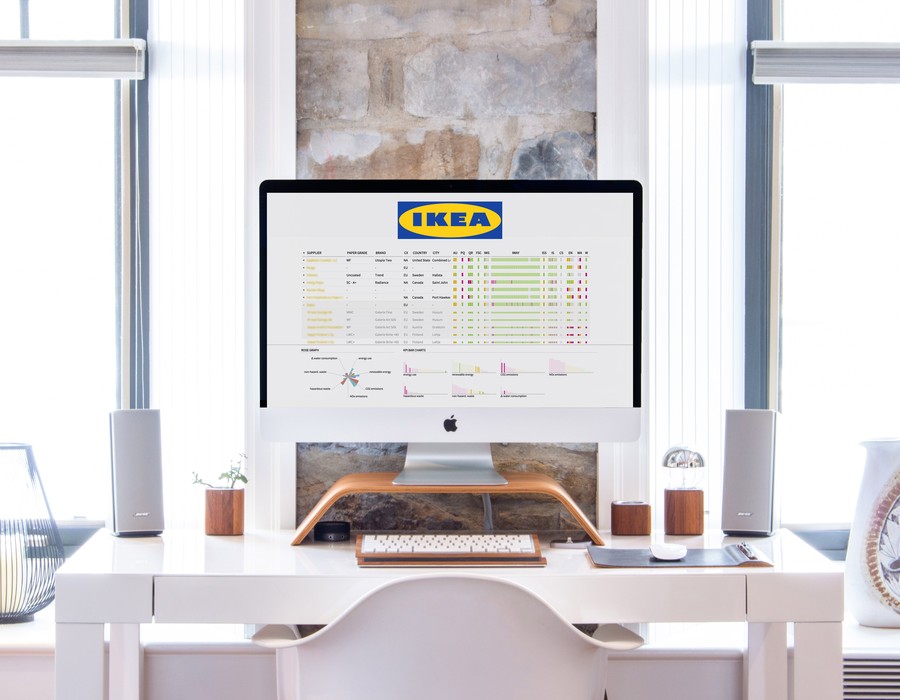 Product & Service Design
Built data dashboards that reduced IKEA catalogue CO2 emissions by 28% and water use by 35%.
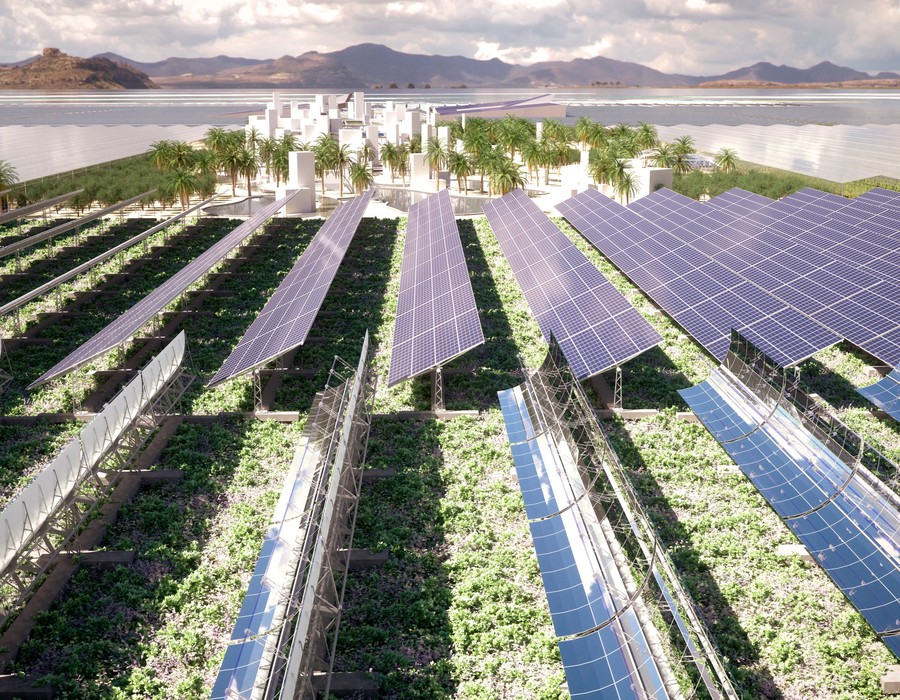 Urban Planning
Designed the world's largest self-sufficient greenhouse complex, saving 9.2 billion liters of aquifer water.
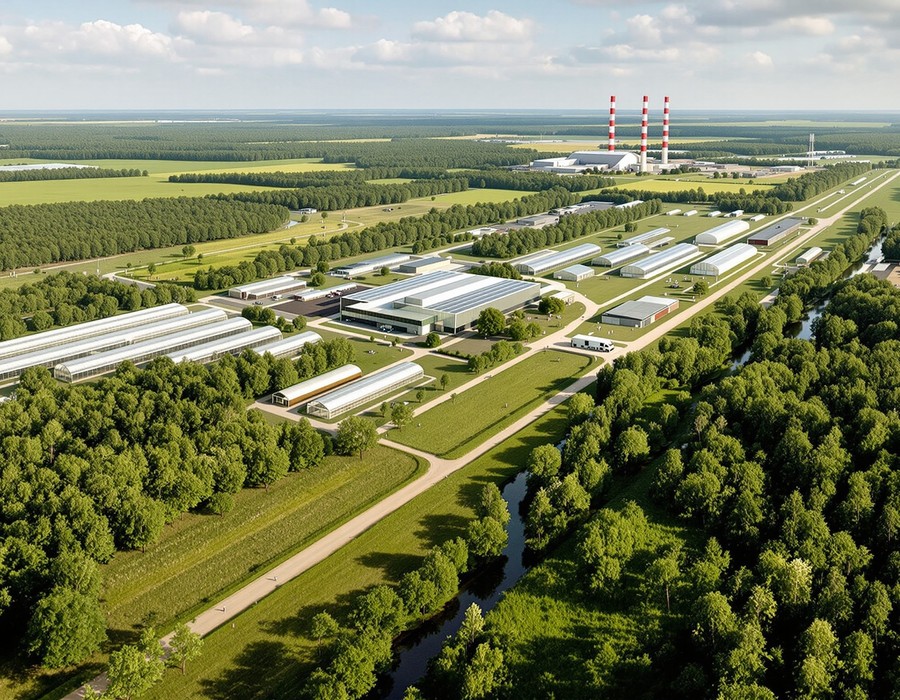 Urban Planning
Planned Europe's most innovative 1,500-hectare circular agro-park on former industrial land.
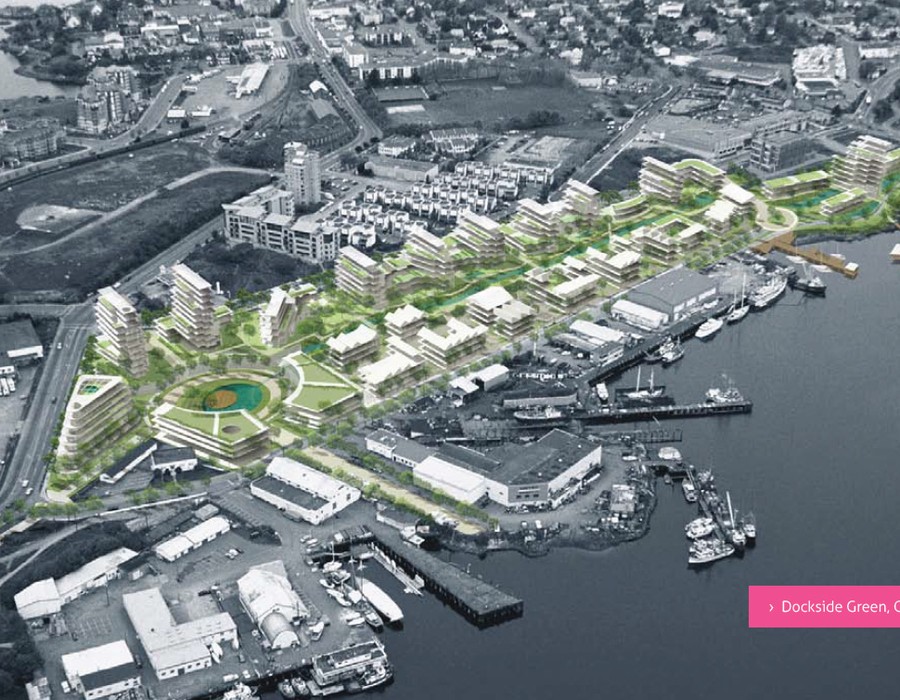 Urban Planning
Reviewed eleven exemplary districts worldwide and published what actually makes sustainable urban development work.
Trusted by











“Except has spectacular knowledge, resources, and an impressive work ethic. They provided innovative and realistic solutions to significantly improve sustainability within our region – we couldn’t have asked for a better outcome.”
“Except storms the gates of heaven and invests unbelievable energy into solving your problem, making it their own, and getting to the bottom of it.”
“Collaborating with Except was a positive and inspiring process. They engaged and dove deep into the context of our questioning, developing custom and suitable solutions.”
“Except’s team always gives new perspectives and insight that accelerate our projects. We value their dedication to collaboration and outstanding work.”
“I am impressed by the energy, expertise and commitment I see. Because it hits you personally. Because everyone at Except recognizes the need for transformation to a sustainable society.”
“Except does great work with a professional and dedicated group of people. They went beyond their own responsibilities in resolving challenges, and were always quick with answers and reactions.”
Disciplines
The SiD framework covers energy, water, biodiversity, economy, health, and social resilience across each discipline. Every project draws from the same integrated model, at a different scale and program.
Buildings and spatial design stress-tested against ecological, regulatory, and social risk. From single structures to multi-building campuses: systemic analysis determines orientation, material choice, and energy strategy from the first sketch.
Masterplans and district-scale design. Systems-level coordination of energy, water, mobility, and governance. The projects that most require SiD: the interdependencies are too numerous and the time horizons too long for conventional methods.
Ecological systems, outdoor environments, and green infrastructure. Performance-driven: drainage capacity, biodiversity targets, and climate resilience are specified before aesthetic decisions are made.
Physical products and service blueprints where systemic sustainability is embedded in the specification, not added afterward. Material flows and lifecycle costs drive every design decision from day one.
Thinking
Every project starts
with a conversation.
Tell us about the place, the constraint, or the problem. We will tell you where the system is already trying to help.
Start a conversation →