Handan Green Jade
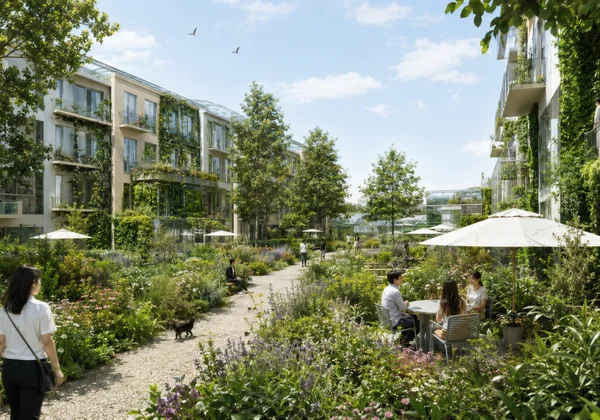
Transformed a polluted industrial zone into a green, vibrant sponge city for 50,000 residents.
- Client and partners
- UNStudio
The Problem
The site in Handan consists of steel production facilities and heavily contaminated land. Conventional urban renewal would require massive off-site soil removal, destroying the area's potential as a cultural and ecological asset. The pollution runs deep, but so does the site's strategic importance to the city.
The challenge was to design a complete urban district that integrates soil remediation into its building typologies, manages water through sponge city principles, and creates a vibrant residential and cultural destination, all while transitioning from heavy industry to a liveable urban landscape.
Process
Soil remediation through design
Rather than conventional removal, soil remediation techniques are adopted that allow on-site revitalization of heavily polluted soils and are integrated into building typologies. The polluted area gradually transforms into 'green jade' as the remediation process becomes part of the district's identity.Sponge city integration
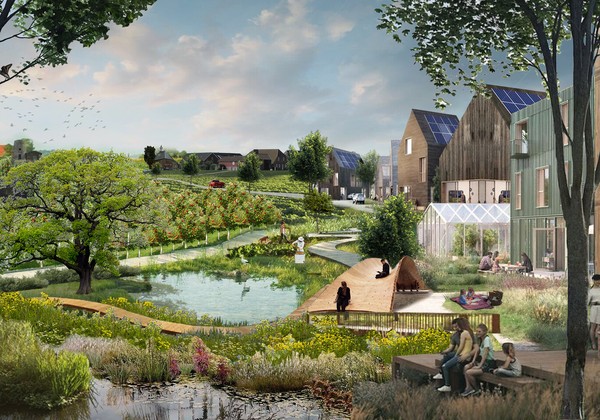
Natural elements are woven throughout the city in diverse forms: parks, urban gardens, pocket parks, and technological landscapes. These absorb and retain rainwater, alleviating urban flooding and water shortages while reducing heat islands and enhancing biodiversity.Cultural and ecological layering
The water purification system is materialized in new building typology inspired by China's historical bell towers. This cultural layering ensures the design resonates with local heritage while solving contemporary environmental challenges.Outcomes
- Residents
- 50,000
- Vibrant new urban district on formerly polluted land
- Water strategy
- Sponge city
- Natural systems absorb and retain rainwater throughout the district
- Remediation
- On-site
- Soil cleanup integrated into building typologies
- Collaboration
- UNStudio
- Joint masterplan with internationally acclaimed architecture practice
Gallery
Credits
Except team: Emma Westerduin (Architect and Project Manager), Tom Bosschaert (Director), Jacob Verhaart (Head of Science, Industrial Ecologist), Rebecca Sampson (Strategy & Business Development), Jon Woning (Biotechnologist).
In collaboration with UNStudio.
More landscape
Working on something with this shape?
We take commissions where systemic complexity is the central design challenge. Tell us about the place, the constraint, or the problem.