Studio
Except Systemic Design has practised since 1999. The studio applies the SiD framework, Symbiosis in Development, to architecture, urban planning, landscape and product design. Every commission is stress-tested across ecological, physical, economic, governance and social dimensions before a single line is drawn.
Founder
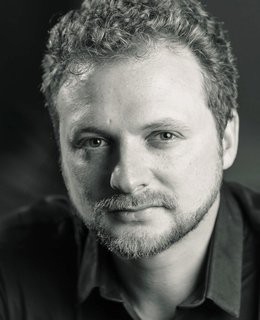
Tom Bosschaert
Founder
Tom Bosschaert founded Except in 1999 and developed the SiD (Symbiosis in Development) framework over more than two decades of practice. He leads strategic framing and systemic analysis across the studio's architecture, urban planning, landscape, and product design commissions.
He writes and speaks widely on systemic design, sustainability, and the built environment, and authored Symbiosis in Development (SiD): Making New Futures Possible.
The SiD framework
SiD stress-tests every design decision across five dimensions. A design that performs well on four and fails on one does not pass.
- 01EcologyMaterial flows and living systems
- 02PhysicsEnergy, water, structure
- 03EconomicsLifecycle cost, market viability
- 04GovernanceRegulation, ownership, policy
- 05SocialCommunity, equity, lived experience
This is not an audit layer applied at the end. It is how the brief is read from the first conversation.
In practice
In the Roosendaal climate adaptation project, physics analysis of historical rainfall data across 340 soil core samples showed that municipal drainage averages were masking three flood events a year. The ecology dimension then flagged that conventional drainage would accelerate soil compaction. The resulting bioswale design resolved both at once: 40-minute drainage in the March 2025 test event, and no measurable increase in soil compaction after three years.
How we work
We take commissions where systemic complexity is the central design challenge.
Regulatory risk, ecological constraints and multi-stakeholder coordination are not obstacles to design quality. They are its specification. We expect clients to share data, tolerate structured uncertainty, and value outcomes over aesthetic preference.
If that sounds like the right fit, let's talk →Published29
Selected writing25
- The Architecture of Organizational Resilience
- Why Circular Economy Fails Without Systems Thinking
- Vietnam Is Building the Last Industrial Revolution
- Regenerative Cities: Building Cities That Flourish
- Sustainability Strategy vs. ESG Strategy
- Symbiosis in Development (SiD): The Framework Behind Every Project
- Learning from Failed Utopia
- Earthquakes in ESG-Land
- EISAP: Industrial Symbiosis Through Systemic Design
- Orchid City: Systemic Design at Urban Scale
- Salesforce Park: When Systemic Analysis Redefines the Brief
- Schiphol Catalyst Office: Architecture as System Node
- Schiebroek-Zuid: Co-creating Neighbourhood Regeneration
- The World's Best Systems Thinkers: Part 2
- The World's Best Systems Thinkers: Part 1
- How Innovation Communities Enhance Sustainability
- The Rise of Systemic Investments
- Vietnam's Race to Net-Zero Carbon Emissions
- Searching for Utopia
- COVID-19's Lesson to the World: The Need for Resilience
- Symbiosis in Development: ELSI
- Catalytic Buildings (White Paper)
- Sustainable New Age: Catalytic Buildings
- How EU Rules Can Boost the Value of Sustainable Buildings
- Smart Cities: How to Meet the Challenge of a Growing Population